
Payment processing for wholesale and B2B
Business buyers increasingly pay invoices by corporate card, and corporate card acceptance is a discipline of its own, with its own interchange rules, data standards and rails. B2B acceptance done deliberately matches the rail to the relationship and the invoice.
Four and five figure invoices paid on corporate and purchasing cards, usually keyed or through a payment link, at premium interchange.
Commercial card interchange is tiered on enhanced transaction data. Default setups skip it, and the transaction gets priced as if the data did not exist.
Level 2 and 3 data submission configured from day one, EFT rails for the invoices that never needed a card, and card pricing negotiated on your real ticket sizes.
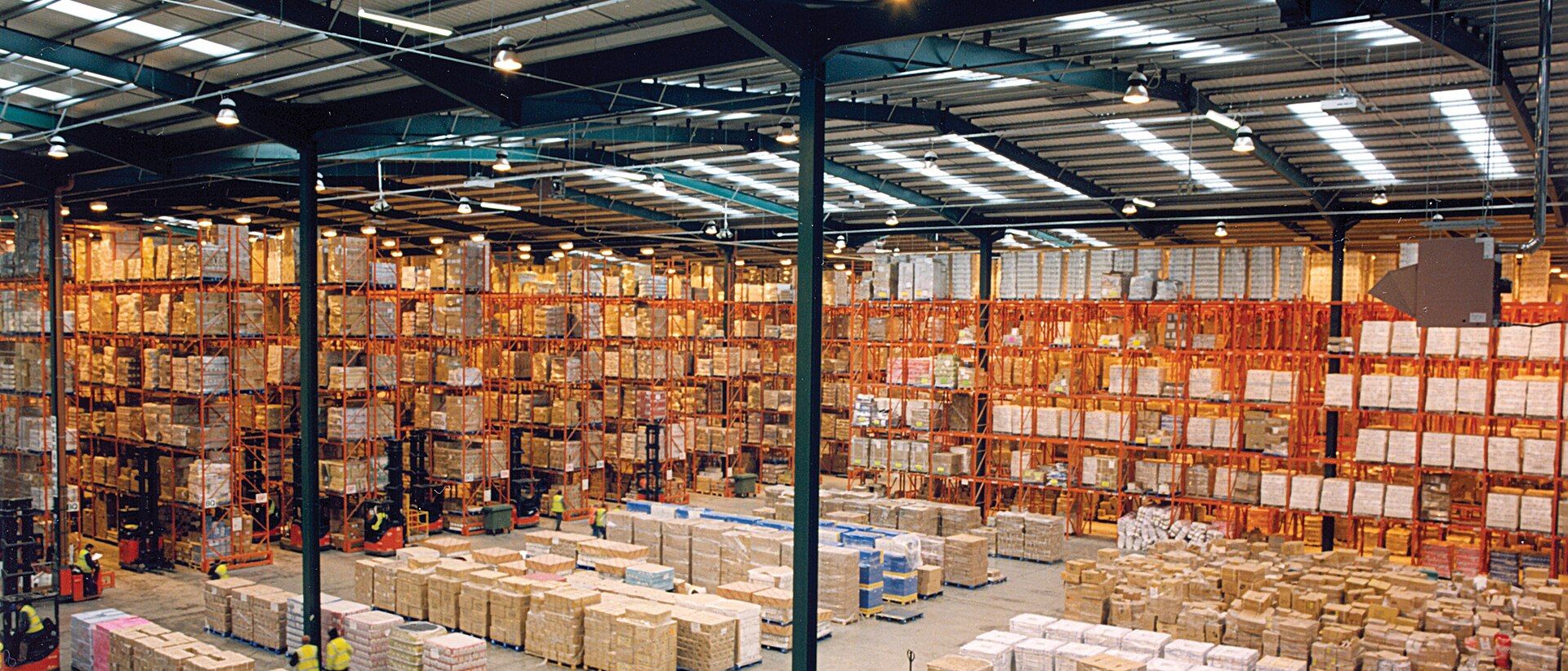 Photo: Axisadman / Wikimedia Commons, CC BY-SA 3.0
Commercial cards, priced as what they are
Commercial cards carry the highest interchange tiers, and the networks tier those rates on the data that travels with the transaction: invoice numbers, tax detail, line items. Rich data means lower risk, and interchange recognises it. Submitting that data is configuration work at deployment, and most default virtual terminal setups never do it, which means most B2B card volume in this province is processed as something other than what it is.
Not every invoice needs a card
A standing relationship with recurring invoices is what EFT and PAD rails were built for: consented, bank to bank, indifferent to invoice size. The practical setup offers customers both: cards for the buyers who want their points and float, bank rails for the relationships where both sides prefer automatic and predictable. The design decision is matching the rail to the relationship and the invoice, not defaulting everything to one.
Terms, floats and the receivables math
Card acceptance in B2B is really a receivables strategy: paying a processing cost to collect now instead of net 30. That trade is often excellent, and it should be priced as a decision rather than absorbed as a default. The review puts numbers on it: what each collection channel actually costs per collected dollar, so the terms you offer buyers are chosen on arithmetic.
Early payment discounts versus card costs
Wholesalers have always paid to accelerate cash, usually as a two percent early payment discount nobody examines. Card acceptance belongs in the same ledger: both are prices paid for speed. Put the two side by side and the acceptance decision becomes straightforward arithmetic on numbers you already live with, a deliberate choice about what speed is worth.
Recurring trade accounts belong on rails, not cards
The account that orders every week and pays every month is the perfect pre authorized debit relationship: predictable, consented, bank to bank, at a flat fee that ignores invoice size. Migrating standing accounts to PAD while keeping cards for new and occasional buyers puts each account on the rail built for it, without changing a single customer relationship.
Hardware we deploy
Semi integrated with your POS, ethernet with wireless fallback, tap, insert and swipe, built in receipt printer.
WiFi plus LTE fallback, full service battery life, configured to your workflow, splits handled at the table.
Contactless acceptance on a supported Android device. No hardware to buy for mobile and field use cases.
Example hardware lineup and pricing for illustration. The fitted deployment and real pricing follow the statement review.
One independent team, six partner platforms
Kubera Payments Corporation is a registered agent of the partners listed. Clover is a registered trademark of Fiserv, Inc.
Common questions
Why are our card fees so high compared to a retail shop's?
Commercial cards on keyed transactions sit at the top of the interchange table, well above tapped consumer cards. That premium is structural, and the right response is structural too: enhanced data submission and pricing negotiated for what the volume actually is.
What is level 2 and level 3 data?
Additional transaction detail, like tax amounts and invoice references, submitted with the payment. Card networks price commercial transactions lower when it is present, and we configure it at deployment.
Should we push customers to pay by bank transfer instead?
Offer both deliberately. EFT and PAD are built for large recurring invoices; cards win on speed and buyer preference. The right mix matches the rail to the invoice, and we help you make that call with real numbers.
Can you work with our invoicing software?
Payment links and virtual terminal acceptance fit alongside common invoicing tools, and the deployment plan confirms your specific stack before anything changes.
A recommended payments partner of the BC Chamber of Commerce
Price your B2B volume properly
Send us a recent statement. We read it line by line and come back within 1 to 2 business days with exactly what you are paying and whether the structure fits how you run. No obligation, just numbers.
Built for businesses that expect more from their payment systems.