
Payment processing for restaurants
A restaurant's card mix is set in the busiest hours of the week. Debit taps at lunch, premium cards at dinner, tips on everything: the mix is complicated, and a blended rate prices all of it as the same transaction.
Lunch trade leans on Interac taps priced in cents. Dinner brings credit and premium cards priced in percentages.
Splitting one table into four payments multiplies transaction counts, and a flat percentage prices a lunch tap and a premium dinner card as the same transaction.
Interchange plus pricing that charges each tap, card and tip flow at its true cost, on terminals built for table service.
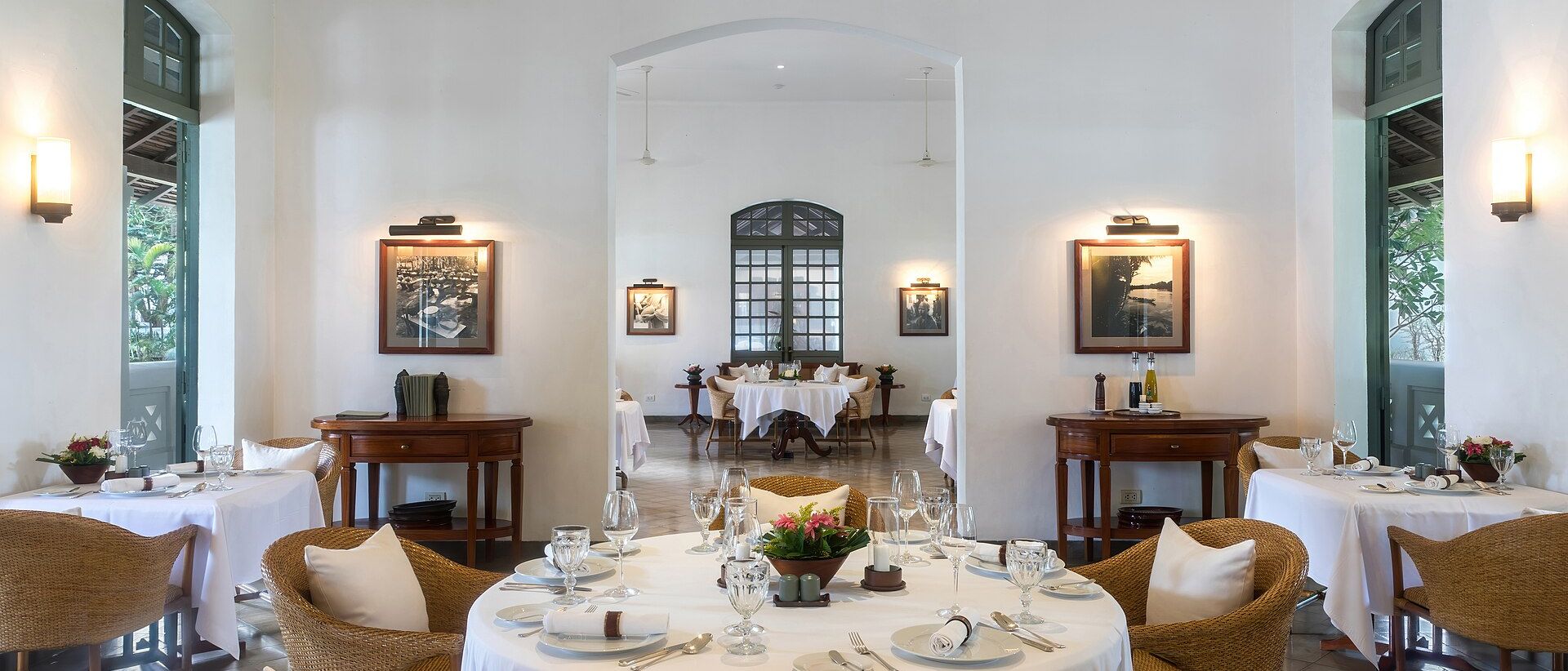 Photo: Basile Morin / Wikimedia Commons, CC BY-SA 4.0
The economics of a full dining room
Food service margins leave no room for guesswork. The processing line is usually the least examined expense in the building because it arrives blended: one rate, one total, no breakdown of which service, which daypart or which card type drove it.
Unblended, restaurant statements are full of structure. Lunch runs on debit that costs cents per transaction. Dinner runs on credit where a platinum travel card can cost several times a basic card. Delivery platforms settle differently again. Reading that structure is how the statement gets priced as what it actually is.
Service speed is a payments feature
Table turns, patio seats and bar throughput all move with how fast the payment closes. Pay at table terminals close the loop in seconds, keep the card in the guest's hand, and present tip options at the moment that maximizes them. The operational upgrade and the pricing upgrade come from the same deployment.
Built around your POS, not instead of it
We integrate acceptance behind the POS your floor already knows, so the workflow survives the switch untouched. The BC Restaurant and Food Services Association's members know our support model well, and their endorsement of it is on our pages in their own words.
What your statement says about your service style
A quick service counter, a licensed dining room and a food truck produce three unrecognizably different statements. Counter service is transaction count: hundreds of small taps where the per item cents dominate. The dining room is ticket size and card quality: fewer, larger payments where premium card share drives the cost. The truck is connectivity and tap to phone economics.
This is why quoting a restaurant a rate before reading its statement is guesswork dressed up as sales. The statement shows your service style in numbers, and the fitted agreement should match it: a per item structure for the counter, interchange discipline for the dining room, mobile grade acceptance for the truck.
Delivery platforms and the statement you never see
Delivery app revenue arrives net of the platform's cut, with the card processing buried inside fees you cannot negotiate. That volume is out of reach, which makes the volume you do control matter more. Every dollar moved from a platform order to direct pickup, phone order or your own online checkout comes back onto acquiring you can actually see and price.
Hardware we deploy
Semi integrated with your POS, ethernet with wireless fallback, tap, insert and swipe, built in receipt printer.
WiFi plus LTE fallback, full service battery life, tip prompts configured to your room, splits handled at the table.
Contactless acceptance on a supported Android device. No hardware to buy for mobile and field use cases.
Example hardware lineup and pricing for illustration. The fitted deployment and real pricing follow the statement review.
One independent team, six partner platforms
Kubera Payments Corporation is a registered agent of the partners listed. Clover is a registered trademark of Fiserv, Inc.
Common questions
What should a restaurant actually pay for processing?
It depends on your card mix, which is why honest answers start from your statement rather than a quoted rate. A debit heavy room and a premium card dining room are different businesses at the interchange level, and the structure should reflect yours.
Do you handle tips and split bills properly?
Yes. Tip prompts are configured to your room, splits work the way your servers already split, and both are priced correctly rather than inflating a blended average.
Can we keep our POS?
Almost always. We deploy acceptance behind the major restaurant systems, and the review confirms your specific setup before anything is recommended.
How disruptive is switching for a seven day operation?
The changeover is scheduled around service hours, so there is no downtime during the update process.
A recommended payments partner of the BC Chamber of Commerce
Price your restaurants volume properly
Send us a recent statement. We read it line by line and come back within 1 to 2 business days with exactly what you are paying and whether the structure fits how you run. No obligation, just numbers.
Built for businesses that expect more from their payment systems.